Culture, customs and historical context of the New Testament
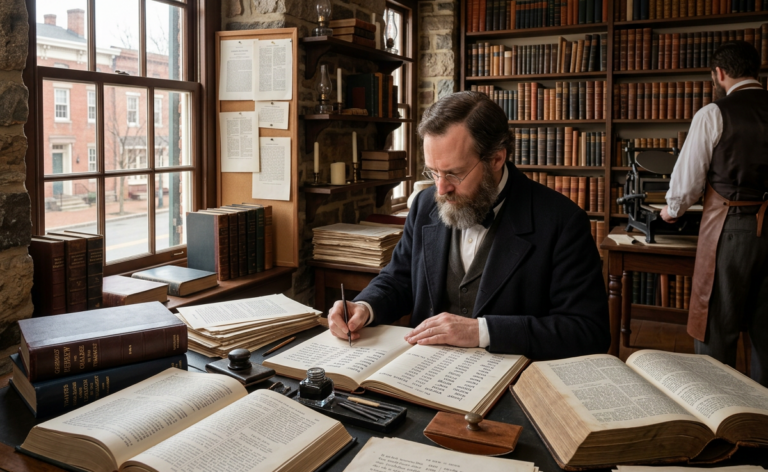
Did God Really Say?
You might think that we are straying from our goal by taking an interest in this subject....
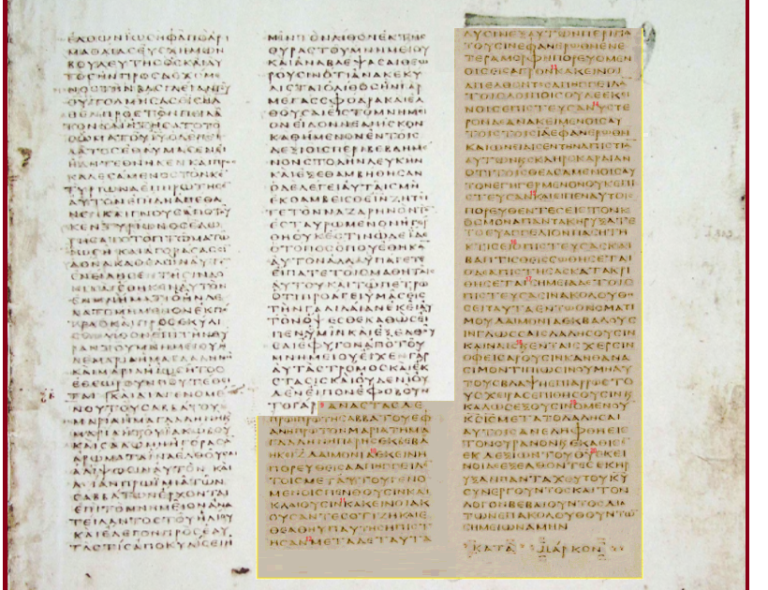
This section presents the available information concerning the integrity of the biblical texts, as well as the teachings contained in this book.
You might think that we are straying from our goal by taking an interest in this subject....
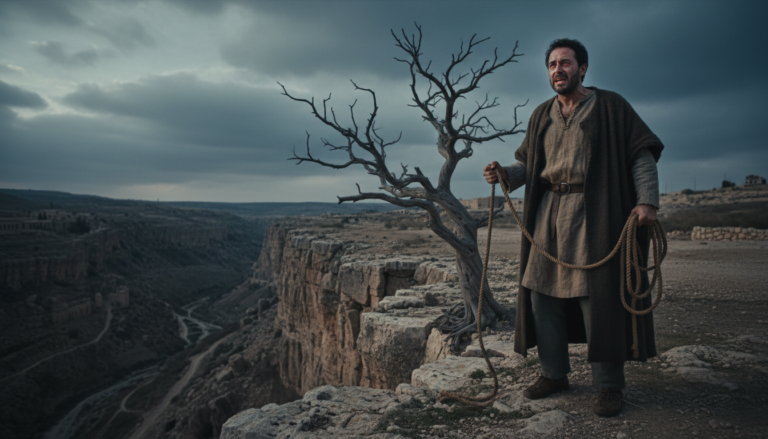
The figure of Judas Iscariot has long raised many questions...
There is a universal and timeless principle: when we place our expectations on a charismatic figure, we risk being disappointed...
The dating of the death of Jesus is one of the most debated problems in New Testament research...
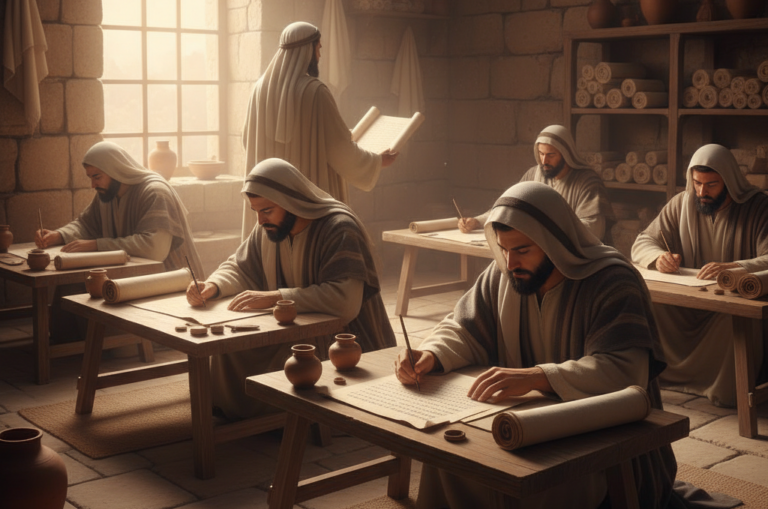
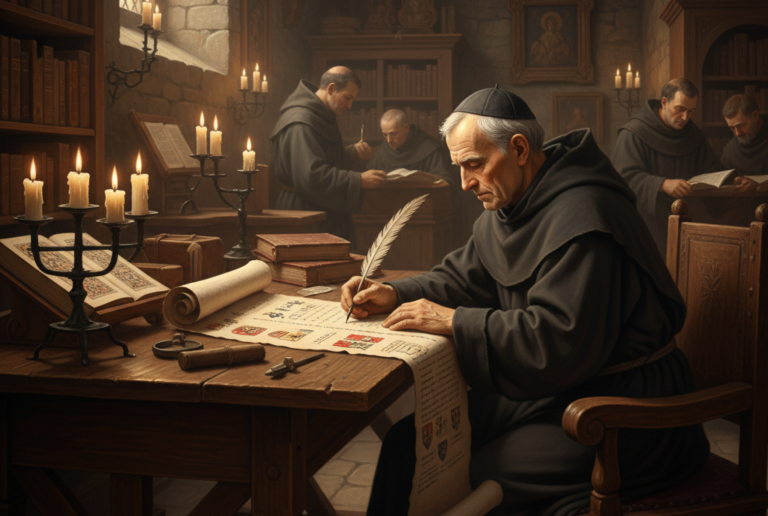
The aspect of the technical constraints of publishing in the first century seems important to us, because it explains the lack of information...
We propose to analyze the information the Gospels give us about the family ties that unite certain members of the…
Jew, Israelite, Israeli, Hebrews, Semites: how can we make sense of it all?...
Our goal is to determine whether there is a relationship of dependence between these different accounts in the Gospels...
It becomes clear that the understanding of Daniel's seventy weeks divides into two distinct approaches depending on the starting point…
The Strong system is frequently used in the studies published on this site, with the aim of deepening the understanding of a word in…
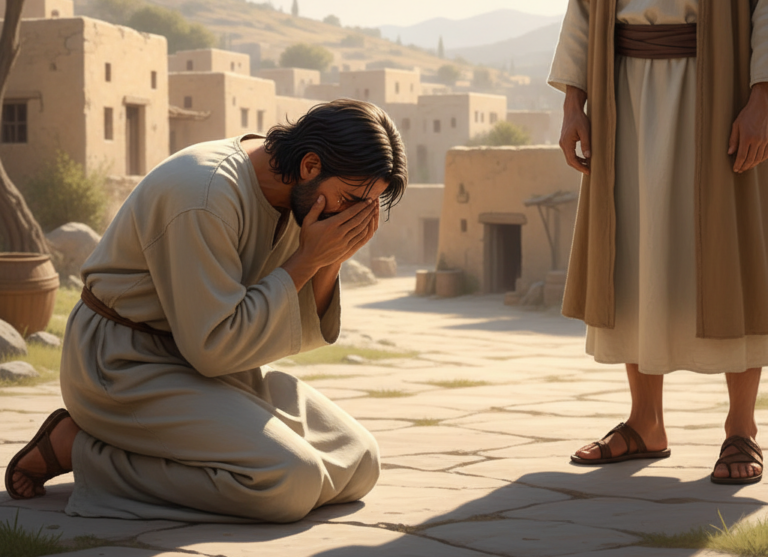
Pastor Daniel Guillet has kindly authorized the publication of his study, which analyzes in depth the true nature of repentance...
Certain passages of the biblical texts can pose interpretive challenges, and some scholars attribute these difficulties to potential errors by the authors...
Who has not heard at Christian funerals, "he is with his Lord" or "he is in paradise" or "he…
This text examines the reference made by some journalists to the prophecy of Saint Malachy, also known as the prophecy…
The Bible speaks of the kingdom of God or paradise as a place in the presence of God reserved for those who…
Careful reading of the Bible reveals that salvation occupies a central place in God's plan for humanity...
Sin is one of the most fundamental themes of the whole Bible...
The passage of Luke 12.46-48 highlights a hierarchy of condemnations that results from our position and our behavior on…
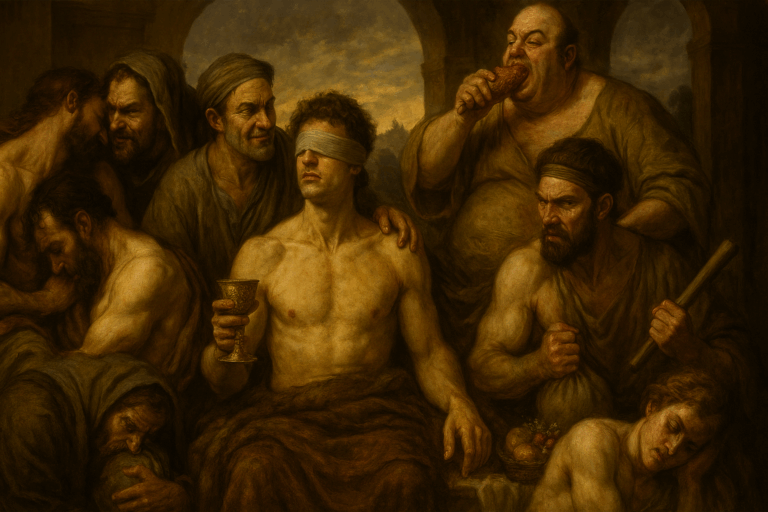
The notion of capital sins, seven in number, seems to have been established ...
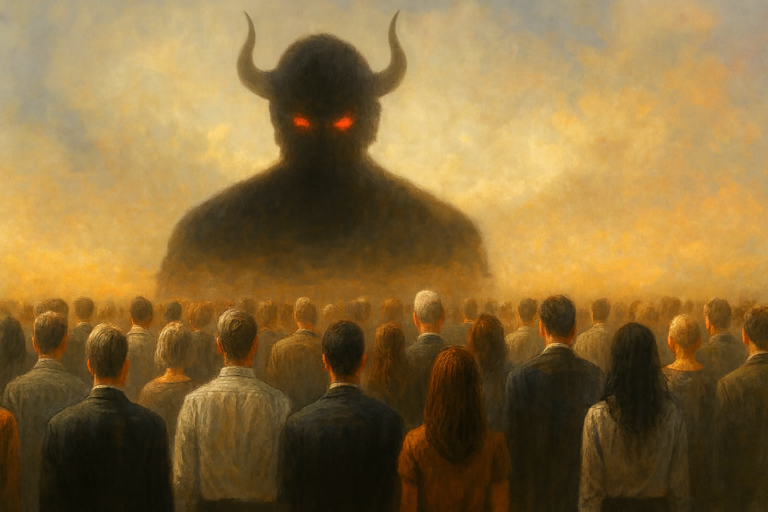
The study of the figure of the Antichrist shows that he will not appear miraculously or suddenly...
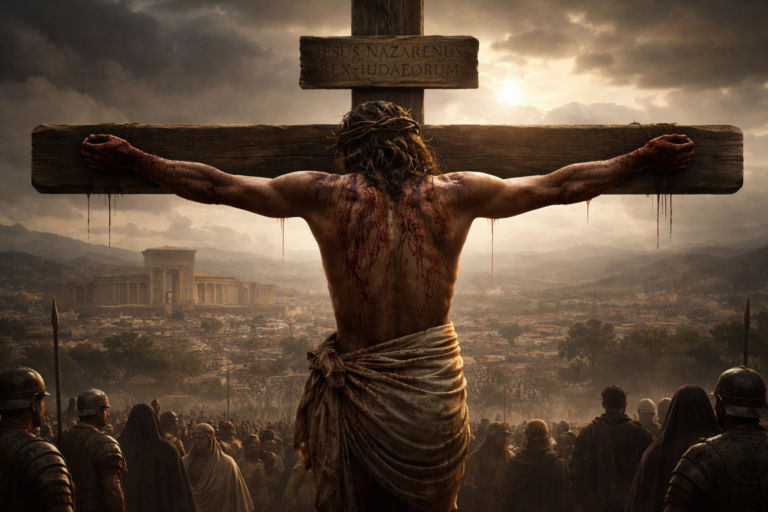
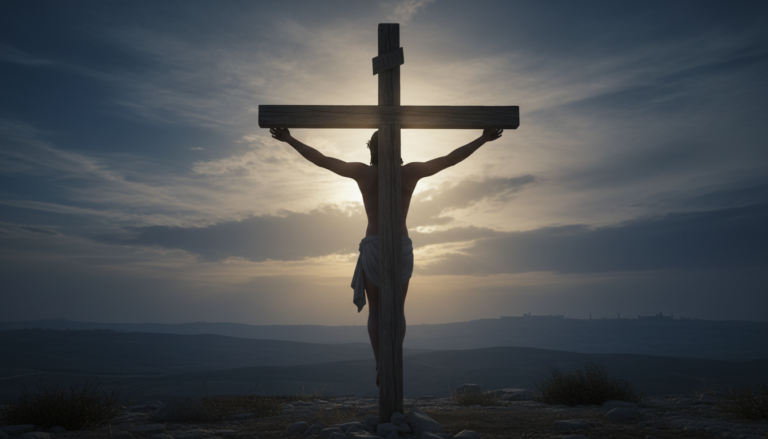
The study of the seven sayings of Jesus on the cross shows that only the synthesis of the four Gospels makes it possible to grasp…
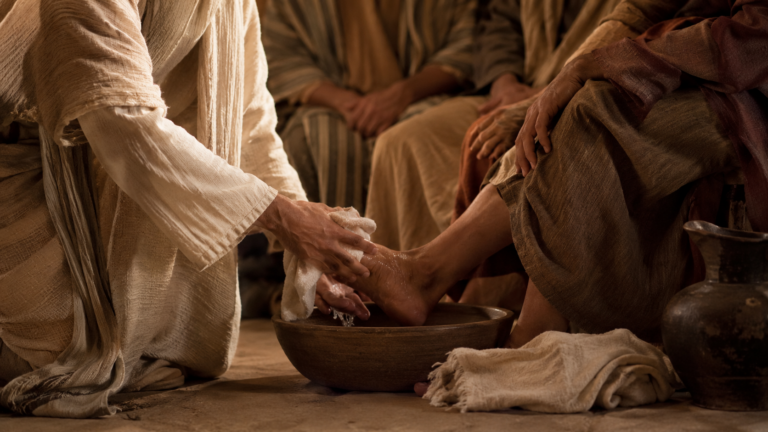
The account of the washing of the feet (John 13.1-17) is one of the most striking episodes of the Gospel of John. At first glance,…
The book of Revelation, the last writing of the New Testament, is undoubtedly one of the most fascinating and most perplexing texts…
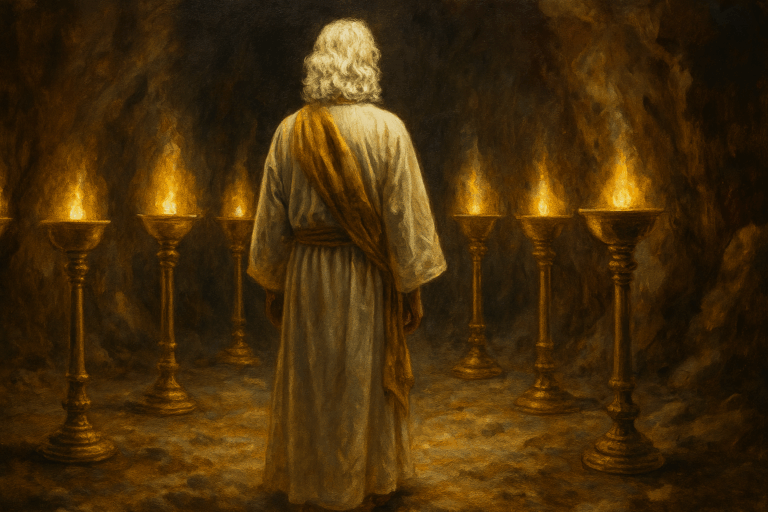
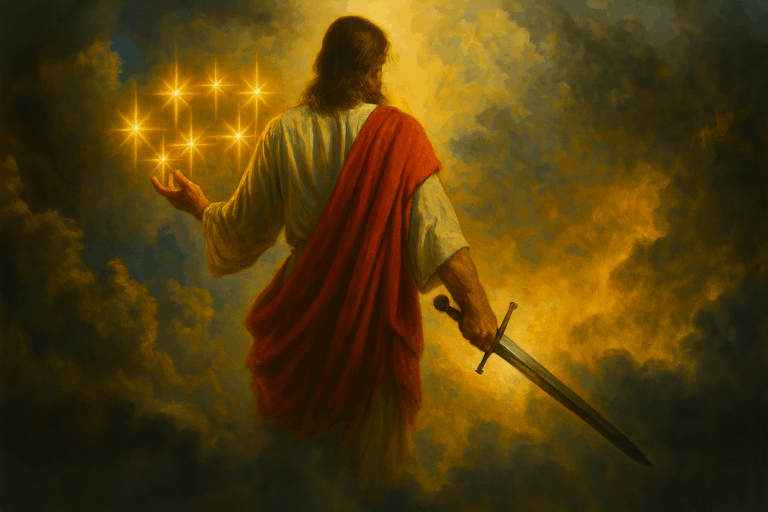
The first chapter of Revelation immediately places the risen Jesus the Messiah at the center of history and of the life of the Church...
The revelation addressed by John to the seven churches of Asia Minor begins in chapter 2 of Revelation, with the first four communities...
Revelation chapter 3 brings together three messages addressed to three different communities: Sardis, Philadelphia and Laodicea...
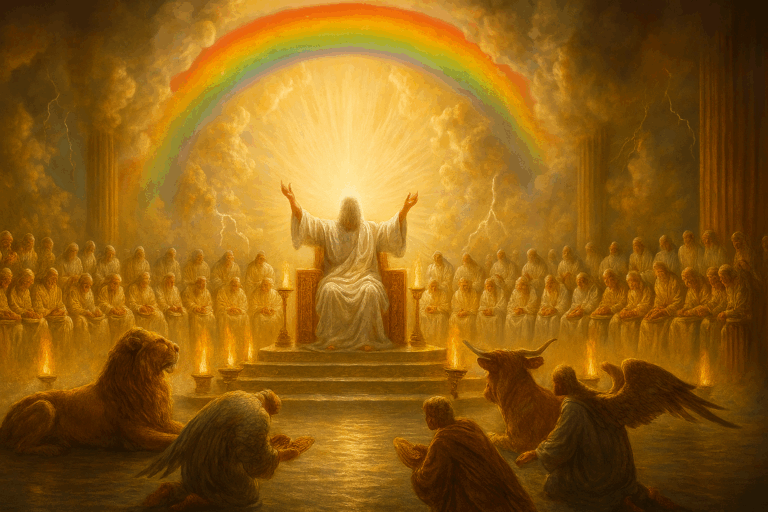
Chapter 4 of Revelation marks a decisive turning point in the narrative...
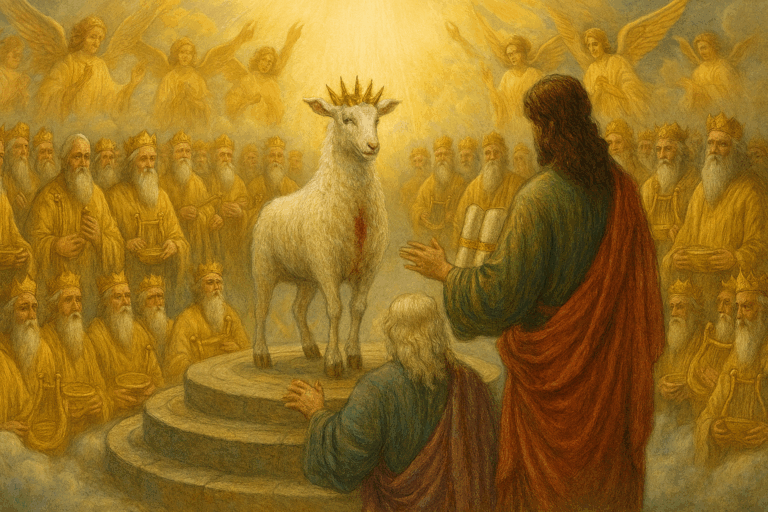
John draws us into a captivating narrative, marked by particularly symbolic images...
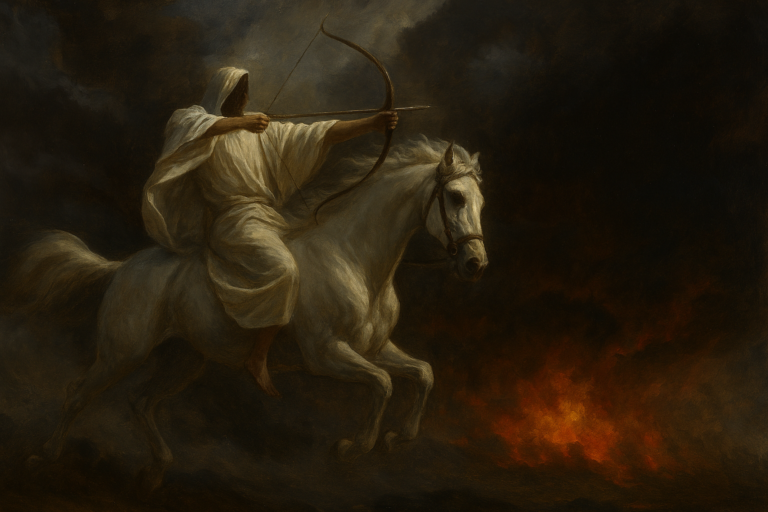
John sees a sealed scroll in the hand of God, and the opening of the first seal reveals a rider on a horse…
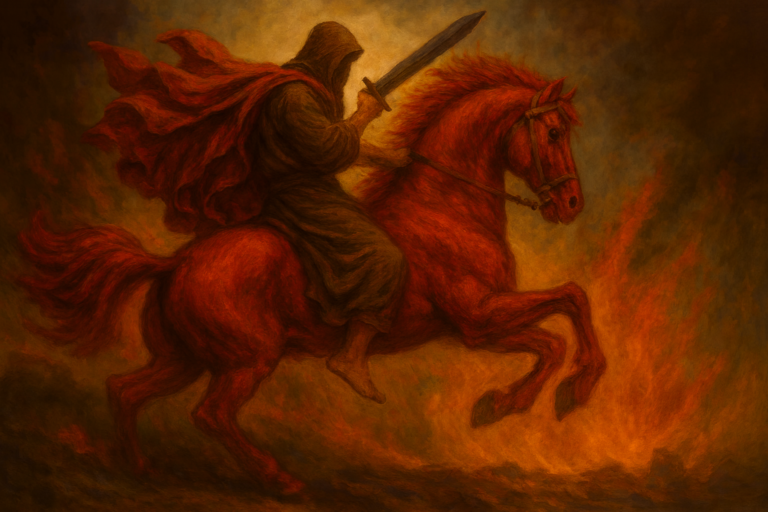
The second seal reveals a fiery red horse whose rider receives a sword and the power to take peace from the…
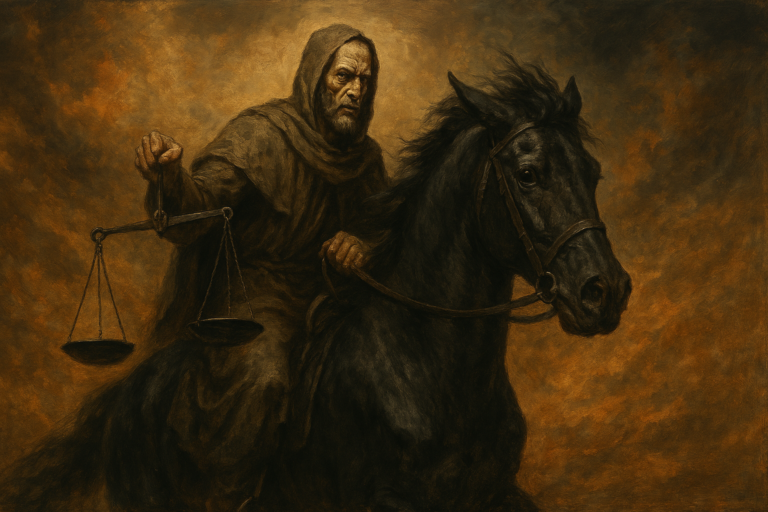
The third seal reveals a black horse whose rider holds a pair of scales, a symbol of rationing and scarcity...
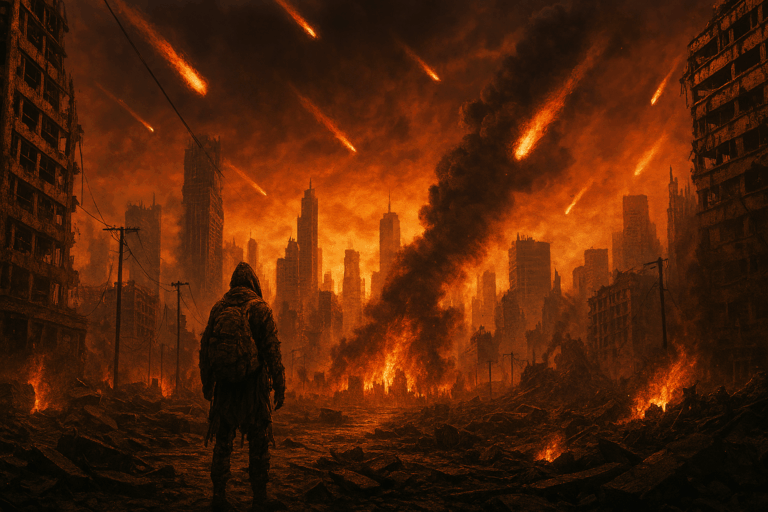
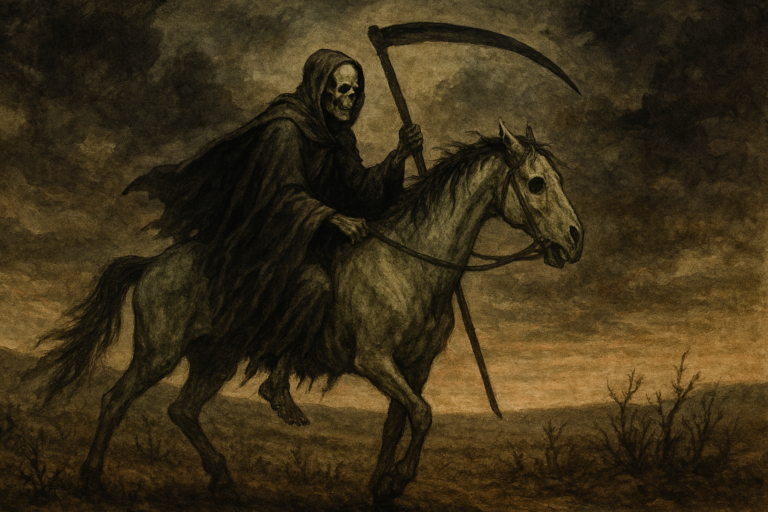
When the Lamb opens the fourth seal, a pale horse appears, and the one who rides it is named Death...
It becomes clear that the understanding of Daniel's seventy weeks divides into two distinct approaches depending on the starting point…
The dating of the death of Jesus is one of the most debated problems in New Testament research...
The biblical text served as the reference, and secular history was called upon not to refute it, but to test its coherence…
The ten plagues of Egypt are a progressive revelation of the God of justice and deliverance...
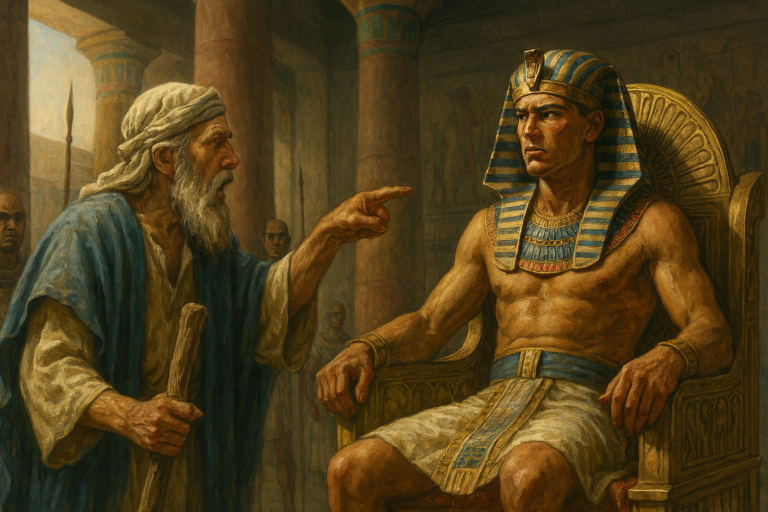
Before the plagues, the first meeting between Moses and Pharaoh reveals a clash of sovereignties ...
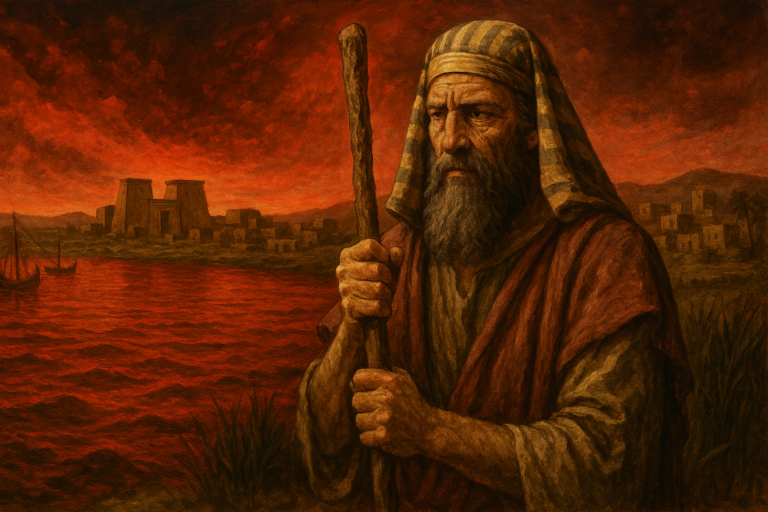
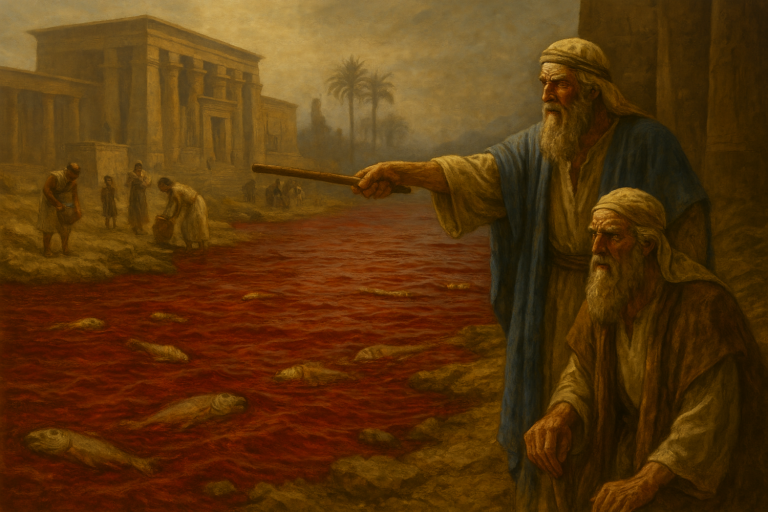
The first plague marks the passage from words to deeds: God inaugurates the pedagogy of signs by striking the Nile,…
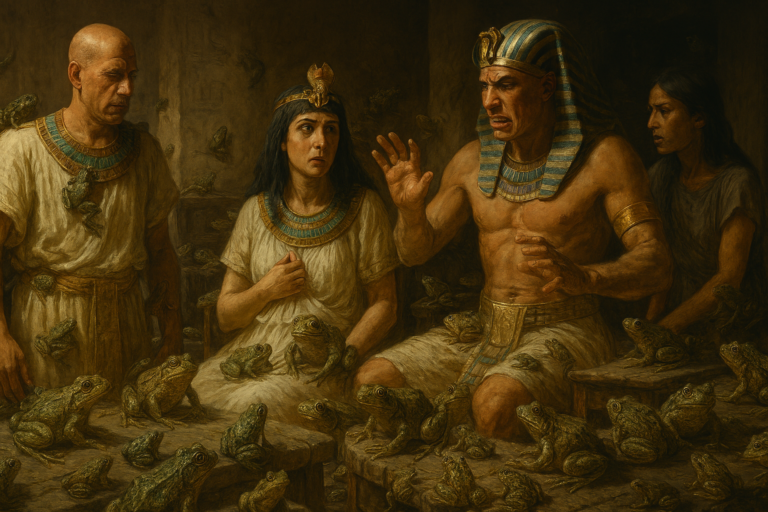
God then announces a second plague, more intimate and invasive: the frogs, symbols of life and linked to the goddess Heqet...
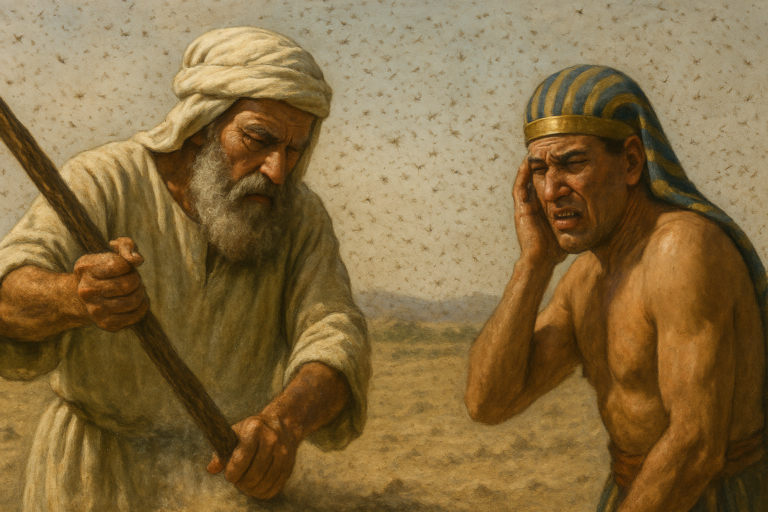
The third plague differs from the preceding ones: it occurs without a meeting with Pharaoh, without warning or negotiation...
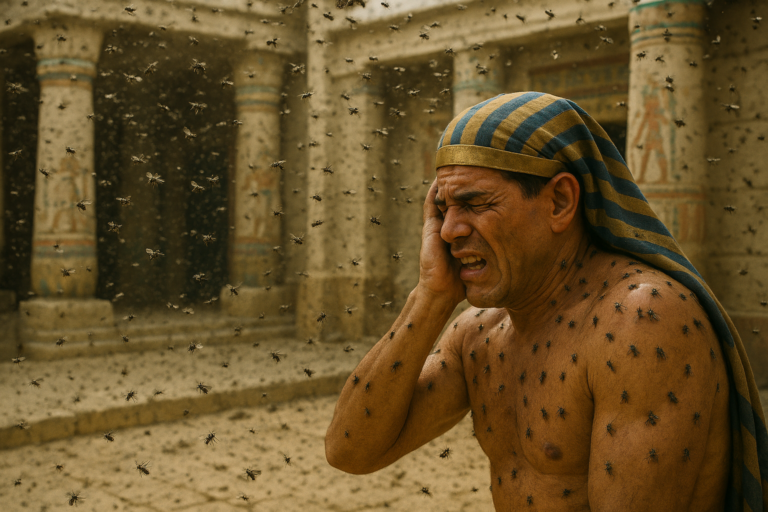
The fourth plague marks a turning point: God distinguishes Israel from Egypt, revealing his power and his protection...
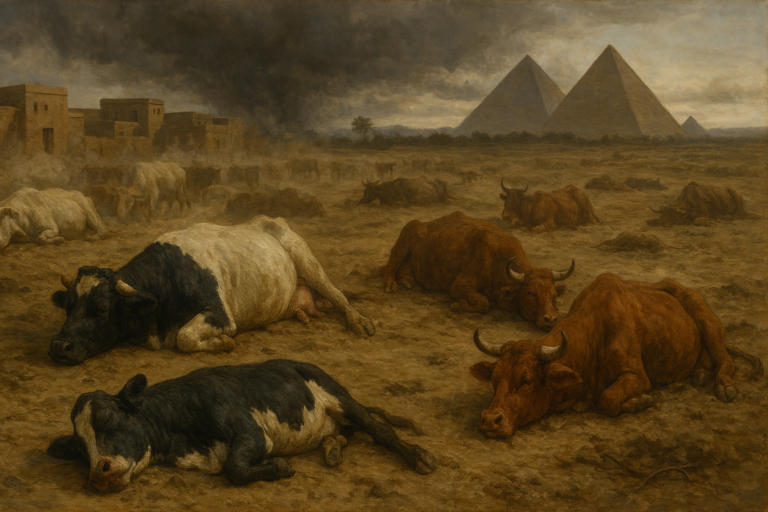
The fifth plague inaugurates a new stage: God strikes the livestock, the economic and religious heart of Egypt...
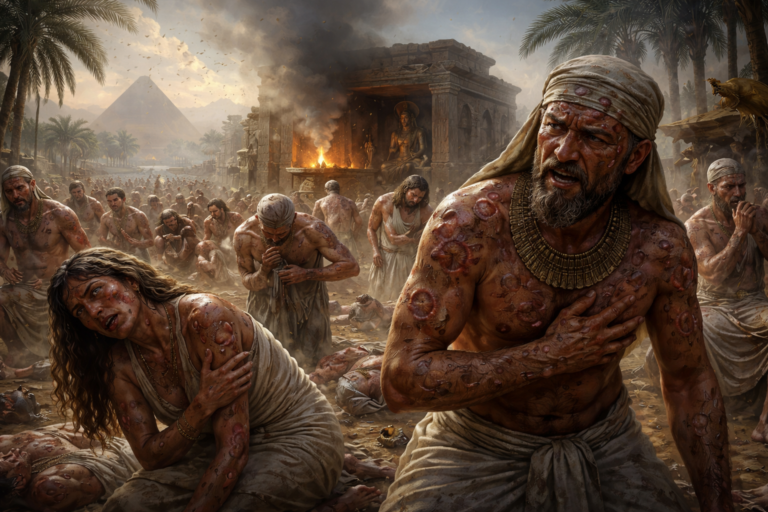
The sixth plague marks a turning point: God no longer strikes nature but the bodies of the Egyptians...
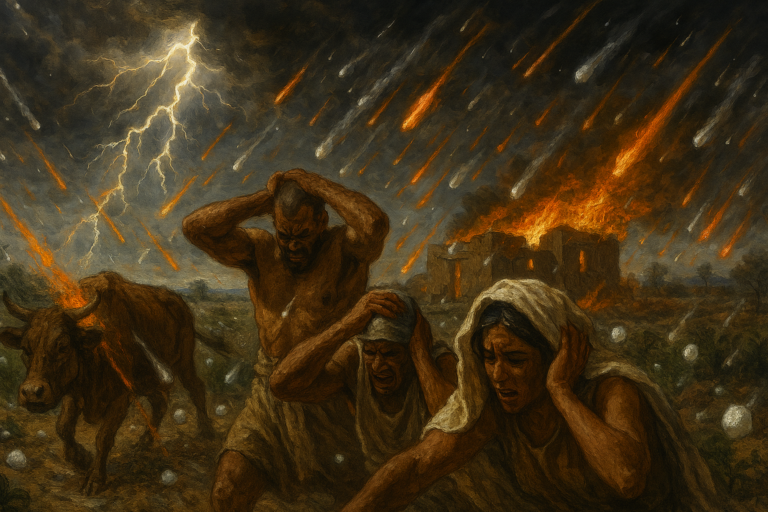
The seventh plague marks a turning point: God sends a hailstorm mixed with fire, of unprecedented violence, which strikes men,…