PER024

The massacre of the children in Bethlehem

The article explores Herod's massacre of the children in Bethlehem following the visit of the Magi, as described in Matthew 2:16–18. This account raises questions about the ignorance of the religious leaders and the impact of Herod’s decisions. It also addresses the tense political context of the time.

2 min Massacre Innocents Herod Bethlehem Matthew 1 verse 1 book

Resources

Biblical texts

Matthew
Matthew 2.16-18 (King James Version)

Then Herod, when he saw that he was mocked of the wise men, was exceeding wroth, and sent forth, and slew all the children that were in Bethlehem, and in all the coasts thereof, from two years old and under, according to the time which he had diligently enquired of the wise men.

Then was fulfilled that which was spoken by Jeremy the prophet, saying,

In Rama was there a voice heard, lamentation, and weeping, and great mourning, Rachel weeping for her children, and would not be comforted, because they are not.

Mark
Mark (King James Version) not cited in the book
Luke
Luke (King James Version) not cited in the book
John
John (King James Version) not cited in the book

Technical details

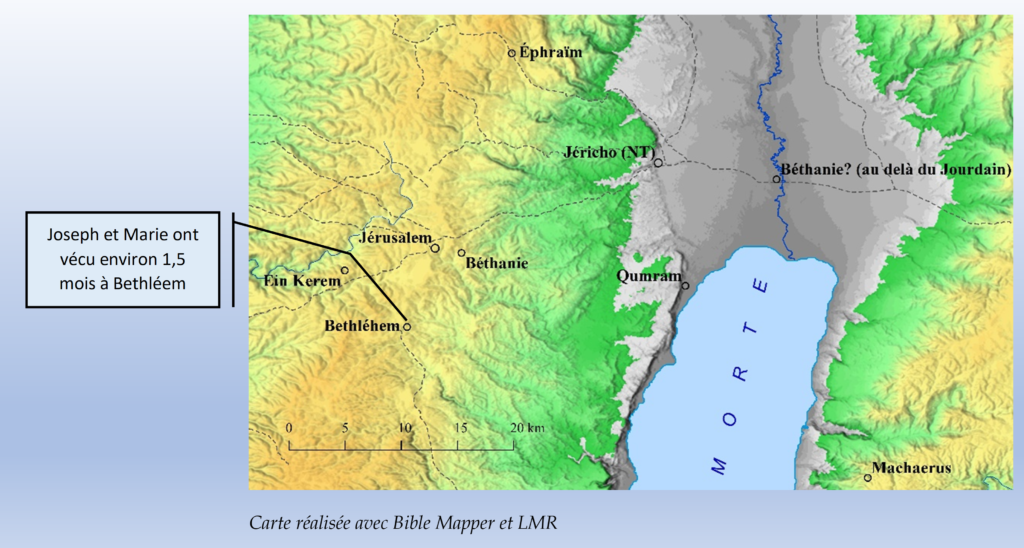
Location: Bethlehem in Judea

Date: around the end of November, 2 BC

Method: We continue with Matthew

Note on the method: Matthew alone records this passage

Pericope 22 map

After Joseph, Mary, and the infant Jesus had left, King Herod the Great sent his soldiers to kill the children—presumably the boys—in order to eliminate the King of the Jews.

The Massacre of the Innocents by Herod's Soldiers

The Massacre of the Children

Comments

Was Herod naive in this matter? He did not send spies to follow the Magi. Nor did the Jewish religious authorities, despite their knowledge of the prophetic writings, deem it necessary to monitor this event more closely. They preferred to wait for further information.

The return of these magi was therefore essential to clarify the situation. Herod quickly realized that these men had dared to disobey him. The reactions of this enraged monarch would prove terrifying, though not entirely surprising given the murders he had previously committed within his own family.

There was only one king in Israel: he, the great Herod. No reliable historical evidence remains regarding the massacre of these children, who were probably all boys.

It is possible that King Herod chose not to draw attention to this matter, so as not to announce the coming of a so-called King of the Jews, which might have sparked popular uprisings.

At that time, the already tense political climate suggested that a succession was imminent due to Herod's illness.