

James and John are called “sons of thunder” by the Messiah Jesus in the Gospel according to Mark 3.17. The text says: “James, the son of Zebedee, and John, the brother of James, to whom he gave the name Boanerges, which means sons of thunder.”
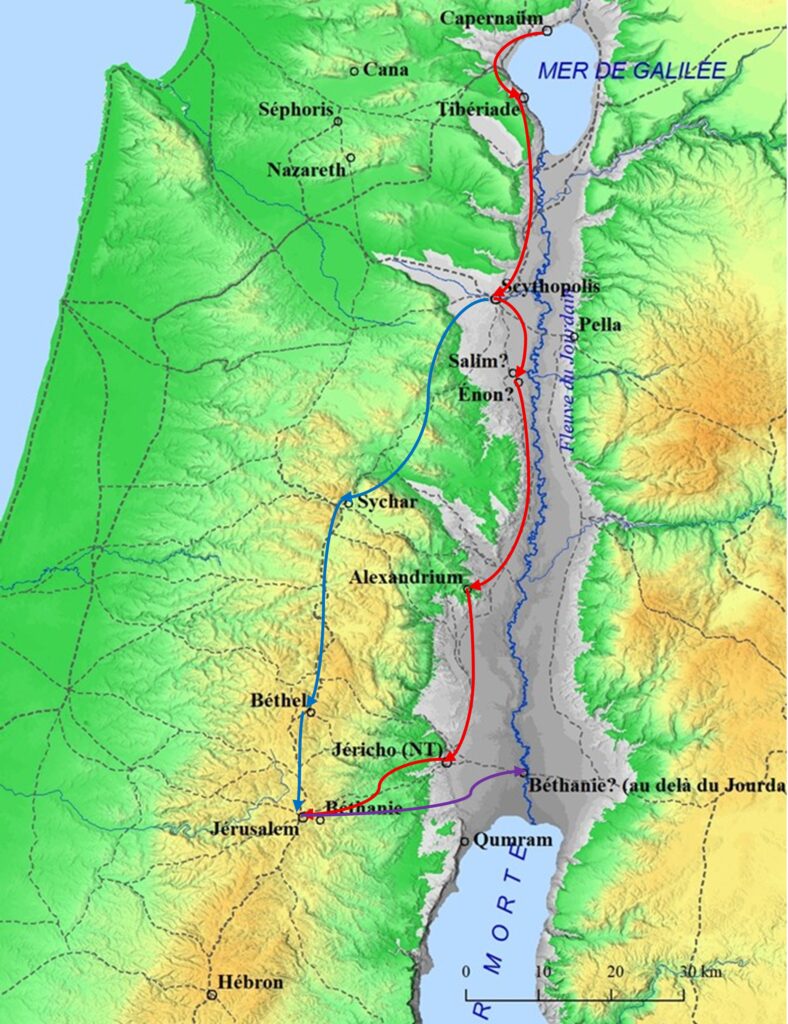
This nickname, Boanerges, is of Aramaic origin and probably reflects their fiery temperament or intense zeal. A striking example of this character is found in this text from Luke 9.54, where they propose calling down fire from heaven on a Samaritan village that refuses to welcome the Messiah Jesus.
James and John were surely thinking of the event reported in 2 Kings 1.9-12, where Elijah called for fire from heaven to consume two groups of men.
We can understand the disciples’ bitterness in the face of such hostility toward their Master. However, the Messiah Jesus sternly rebukes them, saying: “You do not know what manner of spirit you are of.” Indeed, the Messiah Jesus did not come to destroy people but to save them.
This passage clearly shows the tensions that existed between the and the Jews.
The
This passage also clearly shows the nationalism that permeated Jewish thinking, and that of the apostles as well. It is clear that the moment when the Messiah Jesus corrects them, urging them to give up their excessive zeal and adopt a spirit of mercy, represents a significant period of learning.
Even though James and John do not explicitly express compassion toward the in the texts, their transformation under Jesus’ influence suggests a progression toward greater gentleness and understanding. John would later become the apostle of love in his letters.
They went to another village that had agreed to welcome them (Luke 9.56). So it was not all the who refused to welcome the Messiah Jesus and his disciples.