
We have previously explained the reasons why this celebration was set in the year AD 32 (ANN087: The feasts recorded by John). John’s information shows us that the religious authorities are seeking to kill the Messiah Jesus. Knowing that his hour has not yet come, he therefore avoids any direct confrontation that would be perceived as a provocation.
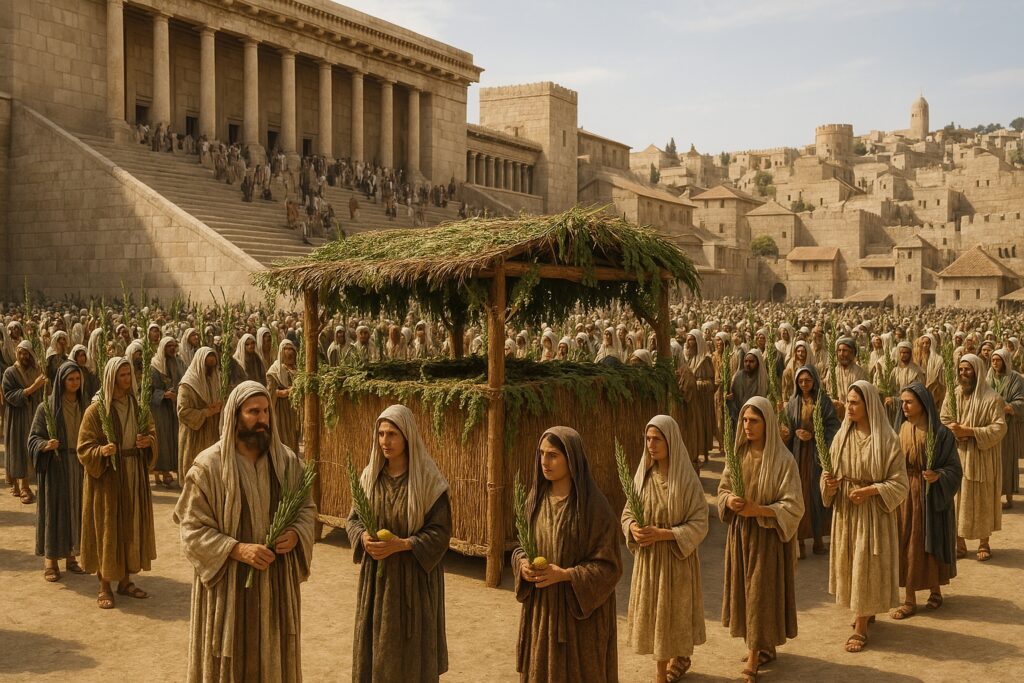
We therefore propose that this Feast of Tabernacles, or Sukkot, was the one of 15 Tishri 3793, which corresponds to Thursday, October 7, AD 32. The departure should have taken place on Sunday, October 3, AD 32 at the latest. According to our calculations, the Messiah Jesus will spend his 33rd birthday on October 12, AD 32, in Jerusalem, near the place where he was born. We are six months before the arrest of Jesus of Nazareth.
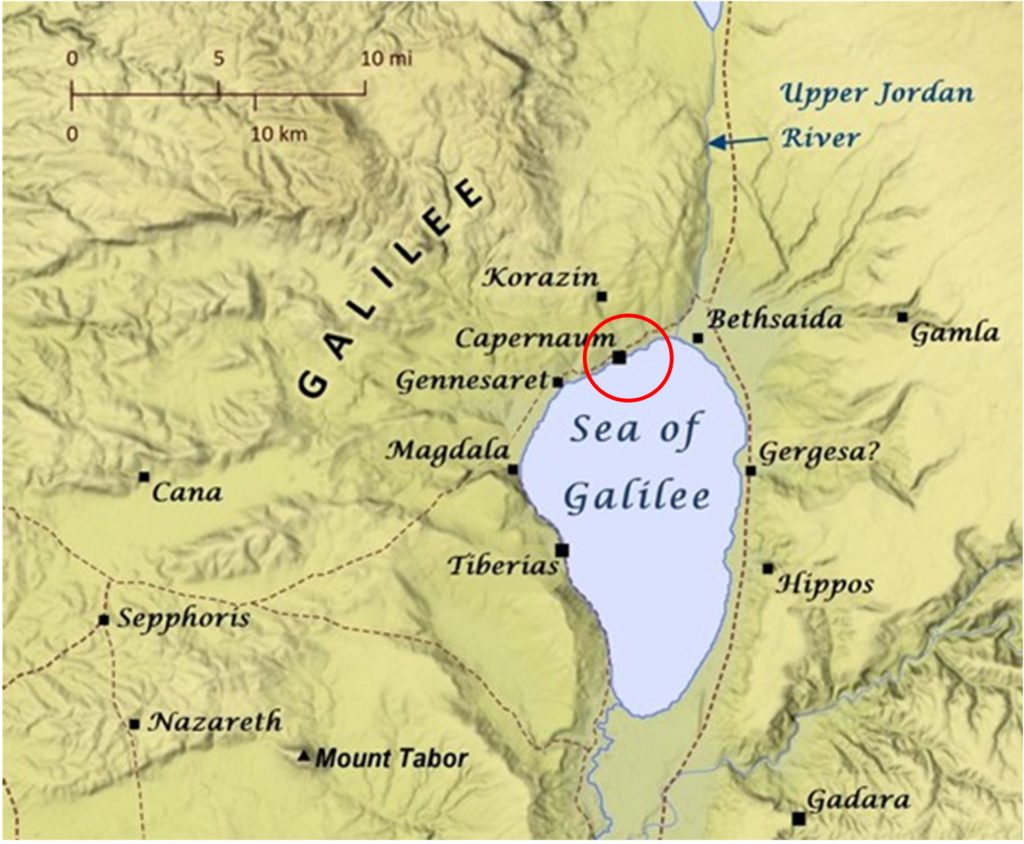
By specifying: “After saying this to them, he stayed in Galilee” (John 7.1), John confirms that the last journey of the Messiah Jesus had not yet begun.
John also reveals to us a tense situation within the Master’s family. He declares that at that time his brothers did not believe in him. Under these circumstances we find it hard to accept the hypothesis that some of them belonged to the group of the apostles. This theory, defended by scholars, is contradicted here by this text of John.
We think that several of them were converted after the resurrection of the Messiah Jesus. They will hold important positions in the Church and will write books that are part of our Bibles.
We note that the Master took part in feasts other than Passover, one more opportunity for him to address the crowd of pilgrims on the Temple esplanade.
The Messiah Jesus will leave for Jerusalem after his family, in secret, John tells us. According to our conclusions, they would have left before the of October 2, AD 32, in order to avoid being stuck for a day during this journey, which lasts about 5 days. John 7.10 seems to indicate that the family of the Messiah Jesus arrived in Jerusalem before the of October 2, AD 32.