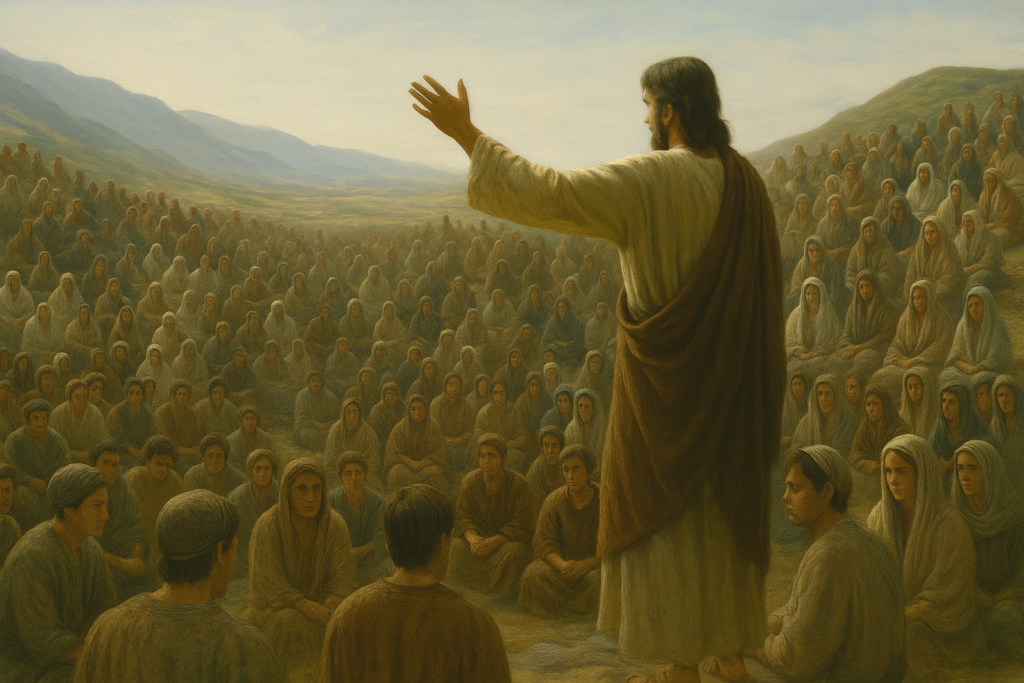
The Pharisees
Les Pharisiens étaient un groupe religieux et social important dans le judaïsme antique, particulièrement pendant la période du Second Temple. Voici quelques points clés à leur sujet :
Origins and history
Origines : Les Pharisiens ont émergé comme un groupe distinct après la révolte des Maccabées, vers 165-160 av. J.-C. Ils étaient souvent considérés comme les descendants spirituels des Hasidéens.
Période : Ils ont prospéré jusqu'à la destruction du Second Temple en 70 ap. J.-C. Après cette date, leurs enseignements ont formé la base de ce qui est devenu le judaïsme rabbinique.
Beliefs and practices
Textes Sacrés : Contrairement aux Sadducéens, qui se concentraient uniquement sur la loi écrite (le Pentateuque), les Pharisiens croyaient en une loi écrite et une loi orale (la Torah orale).
Résurrection : Les Pharisiens croyaient en la résurrection des morts et en l'immortalité de l'âme.
Rites et Lois : Ils insistaient sur l'importance des traditions orales et des interprétations adaptées aux circonstances contemporaines.
Influence et Héritage
Influence : Les Pharisiens ont eu une grande influence sur la liturgie et la pratique religieuse juive. Leurs enseignements ont été incorporés dans la Mishna, une compilation de la tradition orale juive, vers 200 ap. J.-C.
Héritage : Après la destruction du Second Temple, les enseignements des Pharisiens ont formé la base du judaïsme rabbinique, qui continue d'influencer le judaïsme moderne.
Les Pharisiens sont souvent mentionnés dans le Nouveau Testament, notamment dans les Évangiles et les Actes des Apôtres, où ils sont souvent en conflit avec Jésus et les autres figures religieuses de l'époque.
Les Pharisiens dans la Bible
Ils constituent le groupe le plus représentatif du judaïsme. Ses membres, originaires du peuple, s’opposent aux compromis, avec l’envahisseur Romain, mais aussi avec l’hellénisme. Nous les voyons plus proches de la population que les sadducéens.
Ils sont cités à cent trois reprises dans le Nouveau Testament, quatre vint treize fois dans les Évangiles, neuf fois dans les Actes des apôtres et une fois dans l’épître aux Philippiens.
Leurs rapports avec le Messie Jésus apparaissent fréquemment tendus, conflictuels. Il les reprendra à certains moments avec des termes violents, comme, « malheur à vous », « hypocrites » ce qui démontre bien cette opposition. Ils n’ont pas accès aux postes de hautes responsabilités, contrôlés par les Romains, et donc réservés aux sadducéens sympathisants, mais forment le groupe le plus important du Sanhédrin.
Ils se considèrent comme les grands défenseurs de la loi de Moïse qu’ils commentent. Leur interprétation devient la règle à suivre pour le peuple. Le Messie Jésus condamnera ces dérives à diverses occasions (Matthew 23.13-29).
Ils sont souvent en désaccord avec leurs collègues sadducéens sur des points de doctrine tels que la vie éternelle ou les anges. Ils ont ajouté à la Loi écrite de Moïse, des principes oraux, qui leur permettent de contourner ses prescriptions. Jésus ne manquera pas de le signaler (Matthew 23.23).
Nicodème et Joseph d’Arimathée appartenaient à ce groupe politico-religieux ce qui ne les a pas empêchés de se convertir au christianisme.