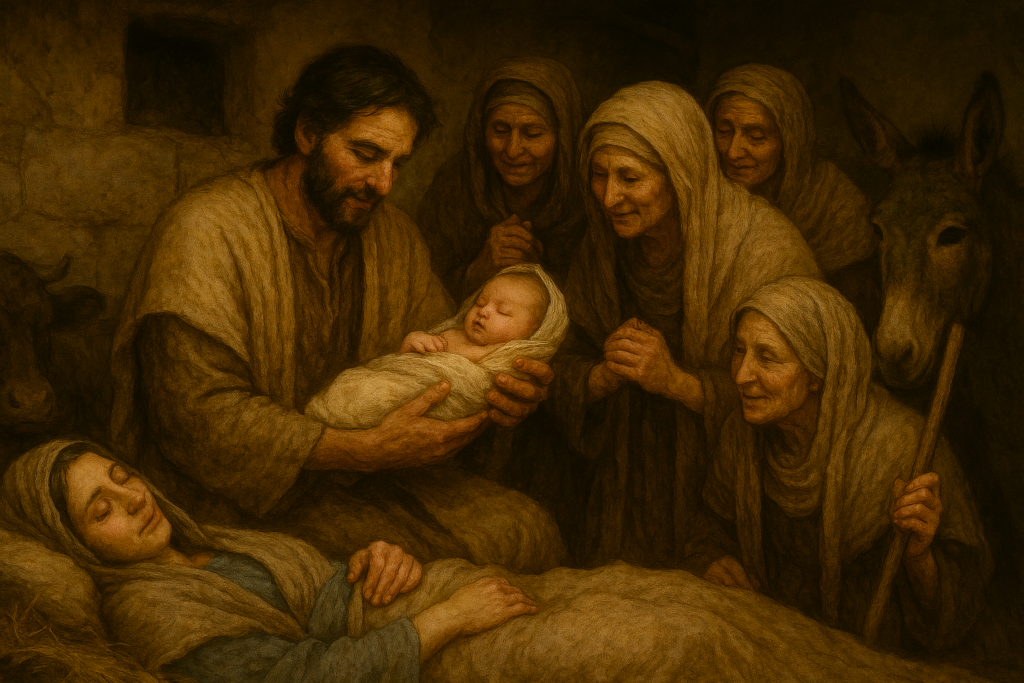
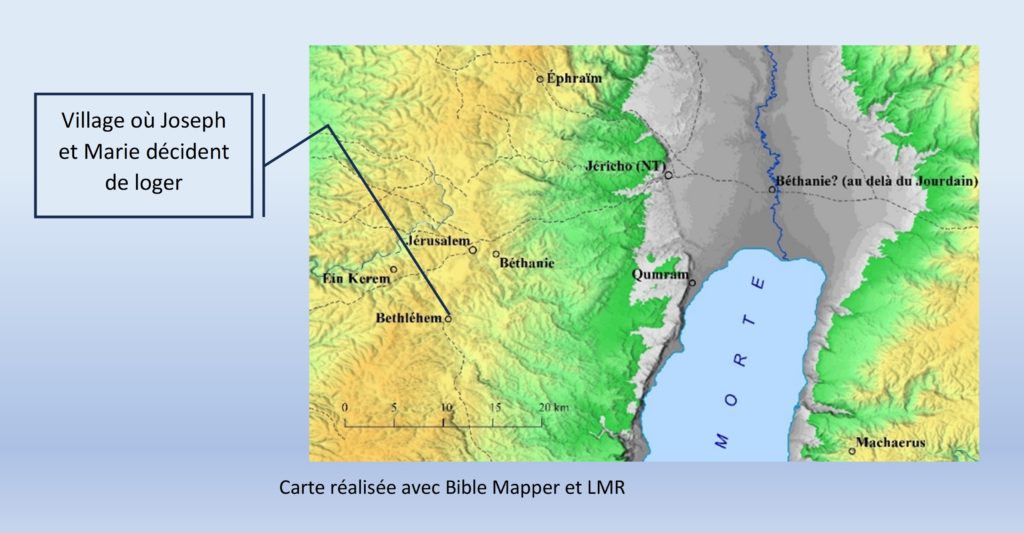
We understand that, with her pregnancy near its end and the added fatigue of the journey, labour soon began despite all the precautions taken.
The influx of pilgrims made finding accommodation difficult. A tent would normally have sufficed, but was no longer an option for childbirth.
Indeed, during the major festivals, the poor stayed in tents some distance from Jerusalem.
With this census and especially the festival of , no accommodation remained, so this place normally reserved for animals would have to do temporarily. It was becoming urgent to settle in, prepare everything and find a midwife. Despite the angel Gabriel's promise, the couple were anxious to see whether the child would indeed be a boy.
Matthew briefly addresses Jesus the Messiah's birth. The clarification concerning the couple's marital relations is crucial, since Joseph had no part whatsoever in this utterly exceptional pregnancy.
The detail that Jesus is the firstborn son is particularly relevant to understanding that, although the infant Jesus' birth was unique, the couple's subsequent life was entirely ordinary.
Matthew's historical reference, ‘in the time of King Herod’, is significant. We will later examine Herod's death and Jesus the Messiah's birth date in detail; we have established the latter as 12 October in the year -2. Notably, Mark and John make no reference to this birth.